
MPE visits plasma donation centre
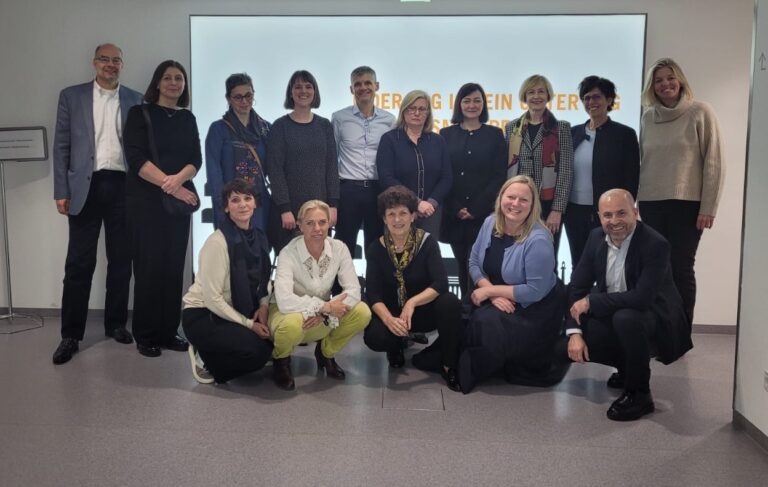
MPE team members Kate Morgan (Co-CEO) and Barbara Leonardi (President) visited a private plasma donation centre in Vienna, Austria.
Plasma donations are needed from people to produce immunoglobulin replacement therapy (you might hear it called IVIG) which is used in myeloma to reduce the risk of infection. It is of interest to MPE because myeloma and its treatments affect the immune system.
What is plasma?
Plasma forms the liquid part of the human blood, which carries our white blood cells, red blood cells and platelets around the body. It is light yellow in colour, once the other blood cells are removed. Around 7% of plasma is made up of proteins such as immunoglobulins (a type of antibody) which are important in fighting infections.
What happens during the plasma donation process?
Austria is one of four EU countries that allows private plasma donation – where the donation centre is owned by a pharmaceutical company (or third party vendor) and people are paid to give their plasma. The other countries where this is allowed are Germany, Hungary and the Czech Republic. Plasma collected in these centres is not just used in that specific country, it is used to create products available across Europe.
Plasma is collected directly from a donor using a plasmapheresis machine. The process is similar to donating blood. A needle is placed into a vein in the arm, but the blood is passed through a machine that separates the plasma from the other blood cells. The remaining blood cells are then put back into the body. At this centre, the main way of collecting plasma was using a plasmapheresis machine. However, you can also collect it from whole blood samples (standard blood donations), sometimes called “recovered plasma”.
What happens once collected?
Once removed from the body, the collected plasma is “bagged” and frozen in a huge freezer (which in the daytime falls to under -40 degrees). During the visit, Kate and Barbara both got to see inside the huge freezer and can confirm how cold it was!
A highlight of the visit was seeing the number of people who had taken the time out of their busy day to donate their plasma. This ultimately leads to the creation of immunoglobulin replacement therapies, which are used in patients with myeloma, CLL and other immunodeficiencies.
Following the donation process, plasma is sent to another centre for a process called fractionation. This is where the different proteins in the plasma are separated out, enabling the creation of a range of products such as immunoglobulin replacement therapy which is used in myeloma.
What else did MPE learn?
Other interesting things MPE learnt from the visit include:
- In Austria, patients can donate their plasma up to 50 times a year. In Germany, this is 60 times and, in the USA, it is 100!
- It takes about 60 – 90 minutes to donate your plasma. Although on your first visit it might take a bit longer.
- Plasma and plasma donors undergo a series of rigorous and important checks, ensuring it is fit for use in humans.
- Europe relies heavily on donations of plasma from the US – around 40% of plasma used in Europe comes from the USA.
- There is a need to raise awareness of the importance of plasma donation to increase the resilience of supply in Europe.
Further information
If you would like to understand more about why immunoglobulins are important in myeloma, please read our infection materials.
If you have any questions or comments, please email info@mpeurope.org