
October 23, 2026
World Amyloidosis Day: help your doctor spot AL amyloidosis sooner
World Amyloidosis Day: help your doctor spot AL amyloidosis sooner
Latest news
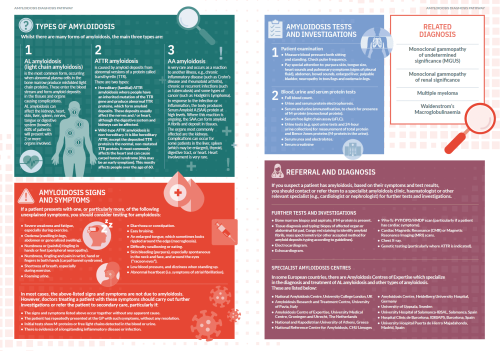
World Amyloidosis Day is 26 October. To mark the day, MPE is asking everyone in our community to download the MPE Amyloidosis Diagnosis Pathway and share it with their GP or family doctor. By helping primary care professionals recognise the signs and symptoms of AL amyloidosis earlier, we can play an important role in reducing delays to diagnosis and helping people access the care and treatment they need as quickly as possible.
Why early diagnosis matters
AL amyloidosis is a rare condition, with around nine new cases per million people each year. Abnormal plasma cells in the bone marrow produce misfolded light chains, which can build up in organs such as the heart, kidneys, liver and digestive system, preventing them from working properly.
Because symptoms can be vague and resemble those of other conditions, many people wait a long time for answers.
In an MPE survey of people with AL amyloidosis:
• 70% waited three months or more before seeking medical help
• 47% waited five months or more for a diagnosis
• 47% saw four or more specialists before they were diagnosed
• 56% had five or more medical consultations before diagnosis
The sooner AL amyloidosis is diagnosed, the sooner treatment can start. Early treatment can help limit organ damage and improve survival.
The MPE Amyloidosis Diagnosis Pathway
How you can help:
- Download the MPE Amyloidosis Diagnosis Pathway.
- Share it with your GP or family doctor at your next appointment or by email.
- Patient groups: share it with your members and ask them to pass it on to their GP or family doctor.
Jackie’s story
Jackie from Scotland was diagnosed with AL amyloidosis in 2017 at the age of 50. Before her diagnosis, she returned to her GP several times with swollen legs, blood in her urine and frothy urine, and she saw several consultants across different specialties.
“I was going to my GP frequently and persistently with symptoms that seemed, on the face of it, quite innocuous… You need somebody to be persistent for you and to explain these symptoms, to group them all together to get a diagnosis.”
Thank you, Jackie, for sharing your story.
More resources to share
Our infographics from previous awareness campaigns are free to download and share. The editable versions can be adapted with your own logo.
- The MPE amyloidosis diagnosis pathway
- AL amyloidosis infographics cover what AL amyloidosis is, its signs and symptoms and the diagnosis challenge, in 9 languages.
- Find out more about AL amyloidosis, the condition, its diagnosis and its treatment.
- Read our report on AL amyloidosis diagnosis challenges in Europe.
- AL amyloidosis vs myeloma.
This World Amyloidosis Day, one simple step can make a difference: share the MPE Amyloidosis Diagnosis Pathway with your GP or family doctor.