
#FacesOfMyeloma: Maria’s story of living well with myeloma
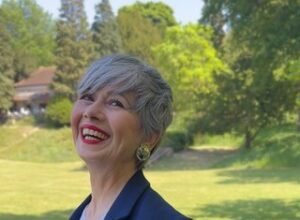
Maria is Greek-Australian and moved from Sydney to London with her adult daughter. A former research centre director, she had always lived an active, independent life. Three years ago, at the age of 64, Maria began experiencing lower back pain. It wasn’t until she went on holiday and was forced to return home in a wheelchair that X-rays revealed a substantial lesion in her pelvis, along with multiple other lesions. She was diagnosed with high-risk myeloma. “I’d never even heard of myeloma before,” she admits. “But once I started researching, I felt hopeful,” Maria says “There were options. There was a way forward.”
Project Maria: taking control
Maria and her daughter quickly encountered a challenge familiar to many people diagnosed with myeloma: the emotional and physical exhaustion of constantly updating friends and family, while trying to preserve energy for treatment and everyday life. Her daughter created Project Maria, a WhatsApp community group. “My daughter would send weekly updates to our family and friends around the world. It removed that burden from me and allowed me to focus on living my life, rather than constantly talking about my illness.”
Taking ownership through health and nutrition
Following a stem cell transplant and further treatment, Maria went into remission. Three years on, she continues monthly treatment and takes an active role in supporting her health, especially through nutrition, movement, and self-awareness.
Each month, Maria carefully reviews her blood results and responds to what her body needs. “If something shifts, I adjust my diet with more nourishing foods, more support,” she explains. “Do I know exactly how much difference it makes? Maybe not. But what I do know is that it gives me back a sense of control and that’s empowering.”
This proactive mindset also extends to movement. At her weakest, Maria could barely manage 500 steps a day and relied on a walking stick. Today, she regularly walks 10,000 steps along the river. “To me, that feels miraculous.” She’s adapted her movement practices too choosing gentle qigong and tai chi over more demanding yoga. “I listen to my body now. I choose what supports me and what brings me joy.”
And joy remains non-negotiable. Maria still plays the piano, meets friends for lunch, attends the theatre, galleries and travels across Europe, while taking sensible precautions to protect her health. “I wear a mask. I avoid crowded pubs. But I won’t stop doing the things that make life meaningful.”
Mental wellbeing and self-compassion
Mental wellbeing is just as important to Maria as physical health. Meditation and journaling, habits she’s practised for decades, help her manage the mental and emotional aspects of living with myeloma. “I allow myself to feel anxious the night before treatment,” she says. “The rest of the month, I don’t think about it and live my life. Anything can happen at any time and I’m not going to live in fear.”
She has also learned the value of self-compassion. “Everything doesn’t have to be perfect every day. It’s okay to rest. It’s okay to say no.”
Words of wisdom
“I know it might sound strange, but in some ways this has been a blessing. I’m more empathetic, more positive, and I worry less.” She reflects.
“Taking ownership of your health through small, manageable changes gives you back control. And that’s empowering. And don’t forget to look forward. Instead of focusing on relapse, I focus on my next trip, enjoying time with loved ones, the next outing. Every day is a gift and I’m living with a deeper appreciation for life.”
Check out our Faces of myeloma series to read more stories from patients and carers around Europe.